Birke Gorm
16th Gwangju Biennale, South Korea
Austrian Pavilion
5 September – 15 November 2026
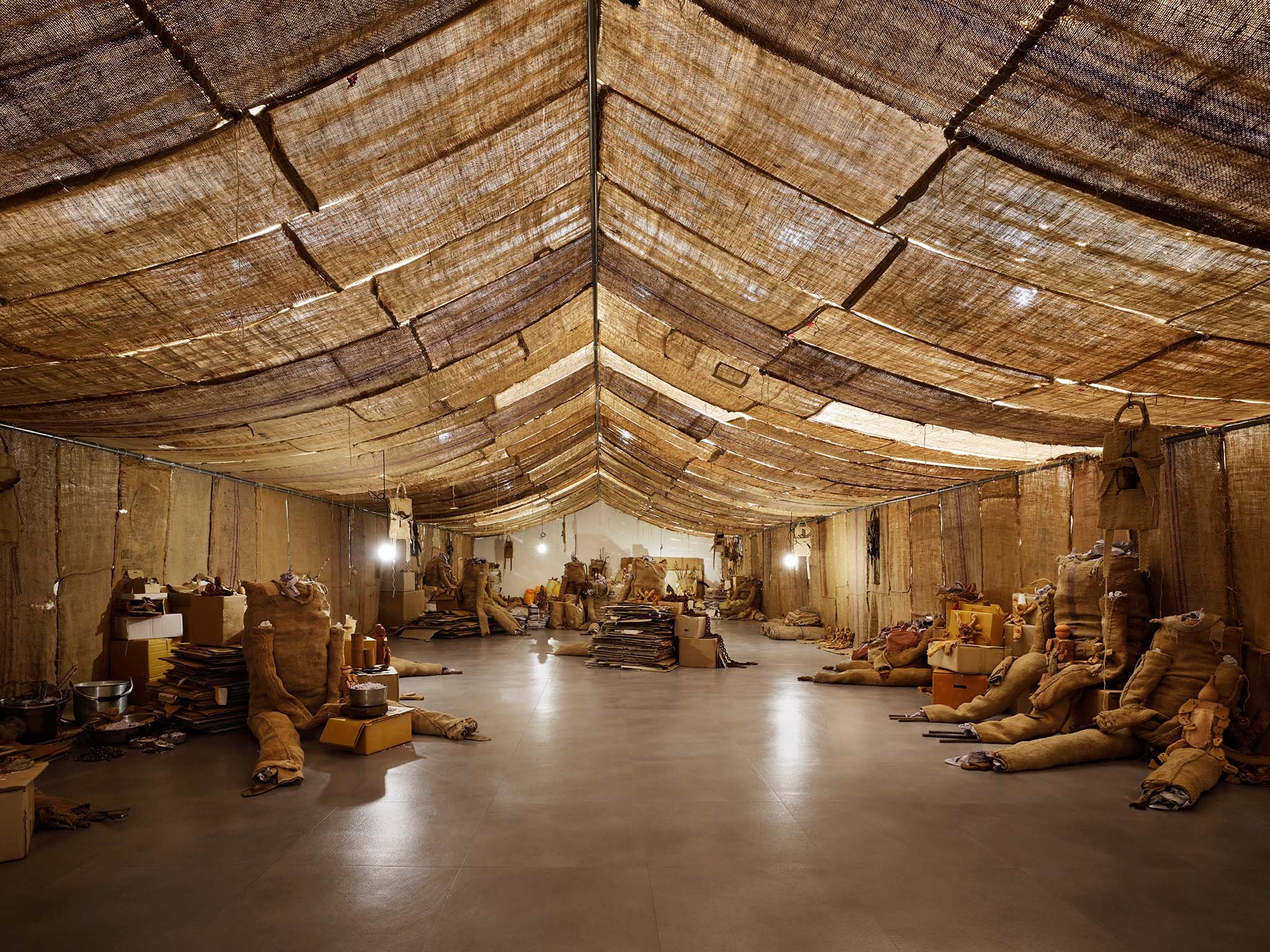
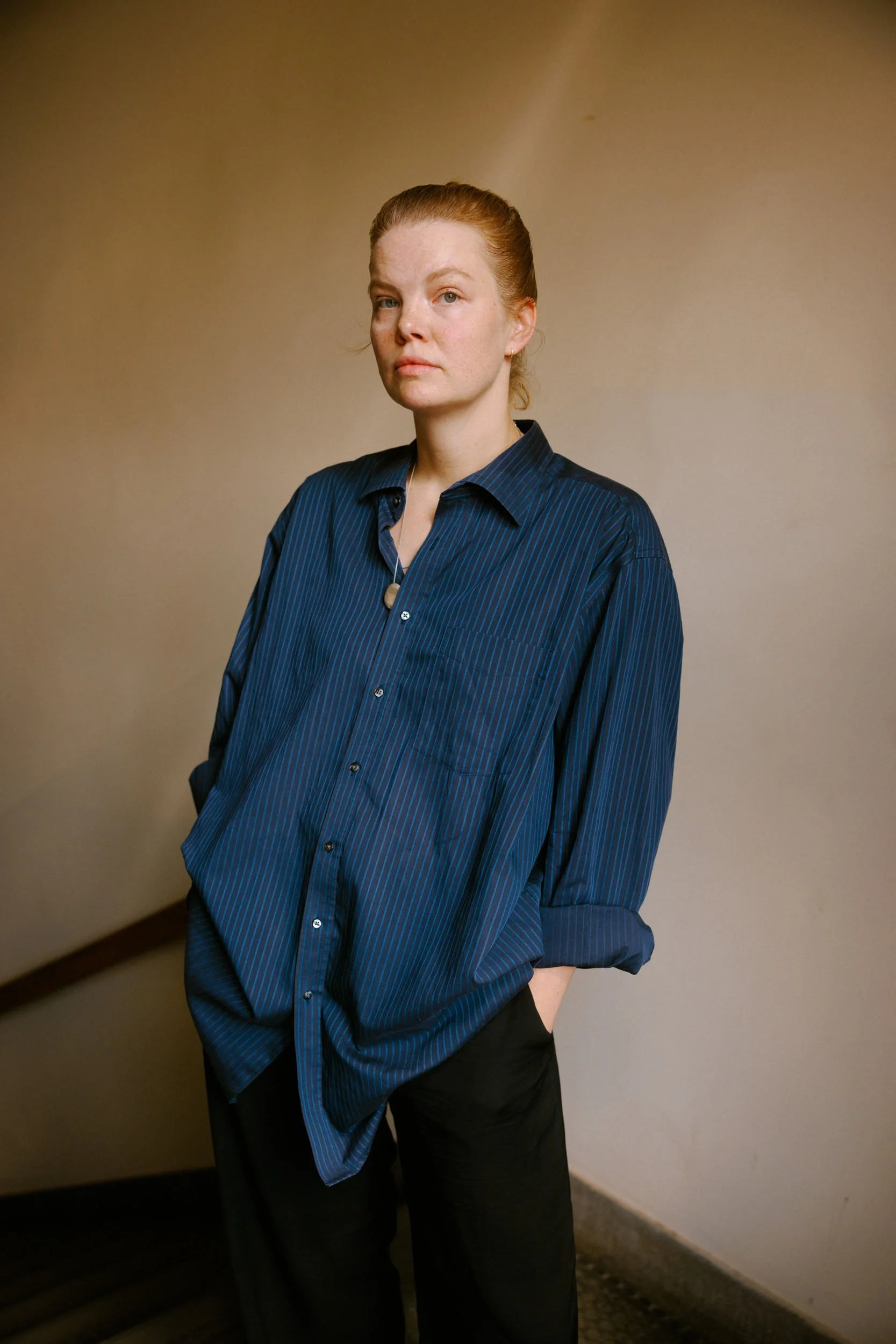
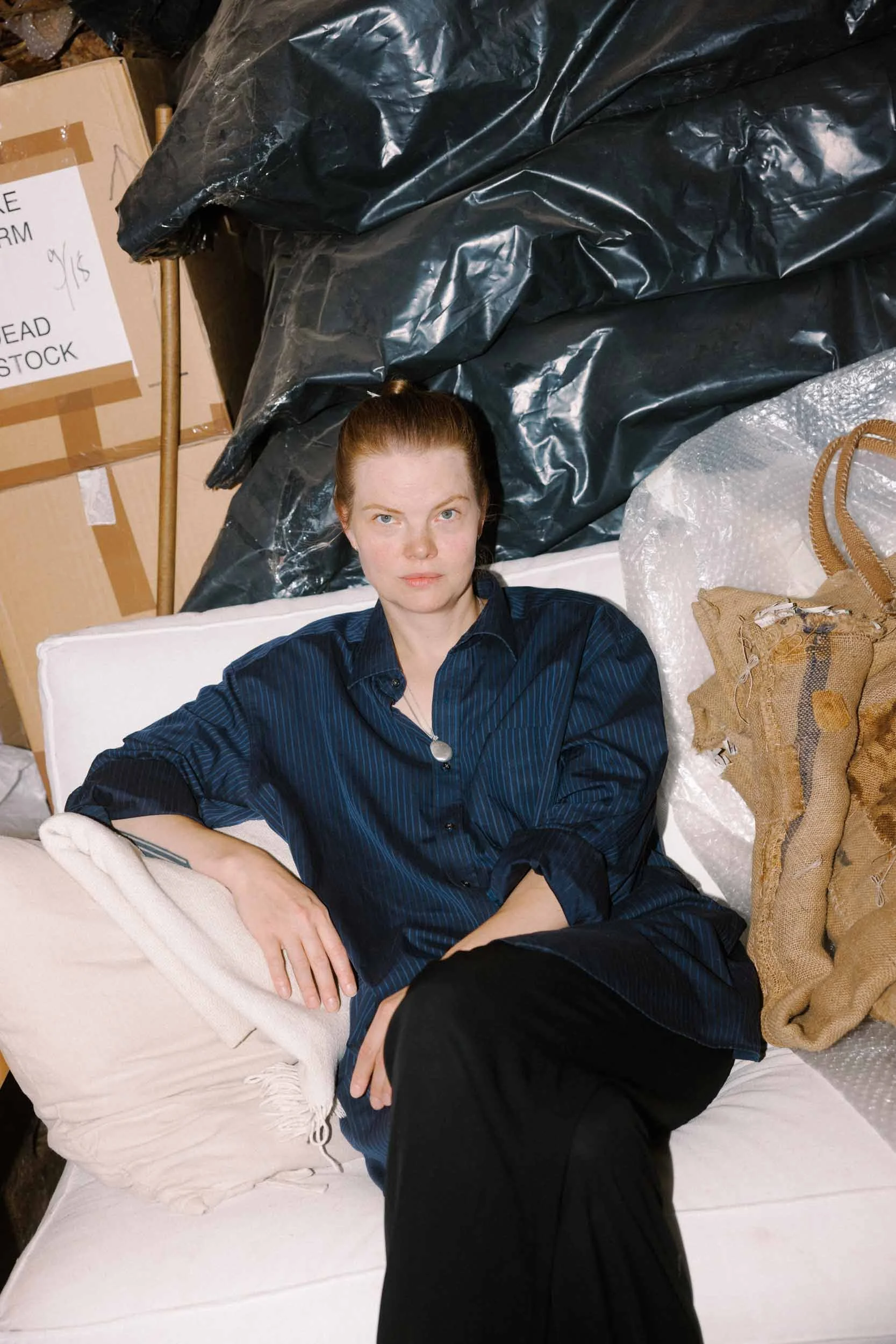
Artist Birke Gorm is representing Austria at the 16th Gwangju Biennale in 2026. Under the title the evening and the morning and the night, she has transformed the upper floor of Gwangju's Eunam Museum of Art, both physically and conceptually, into an attic—a storage place, full of latent energies, largely left undisturbed. The exhibition is curated by Attilia Fattori Franchini and marks the second national presentation by Austria at the Gwangju Biennale.
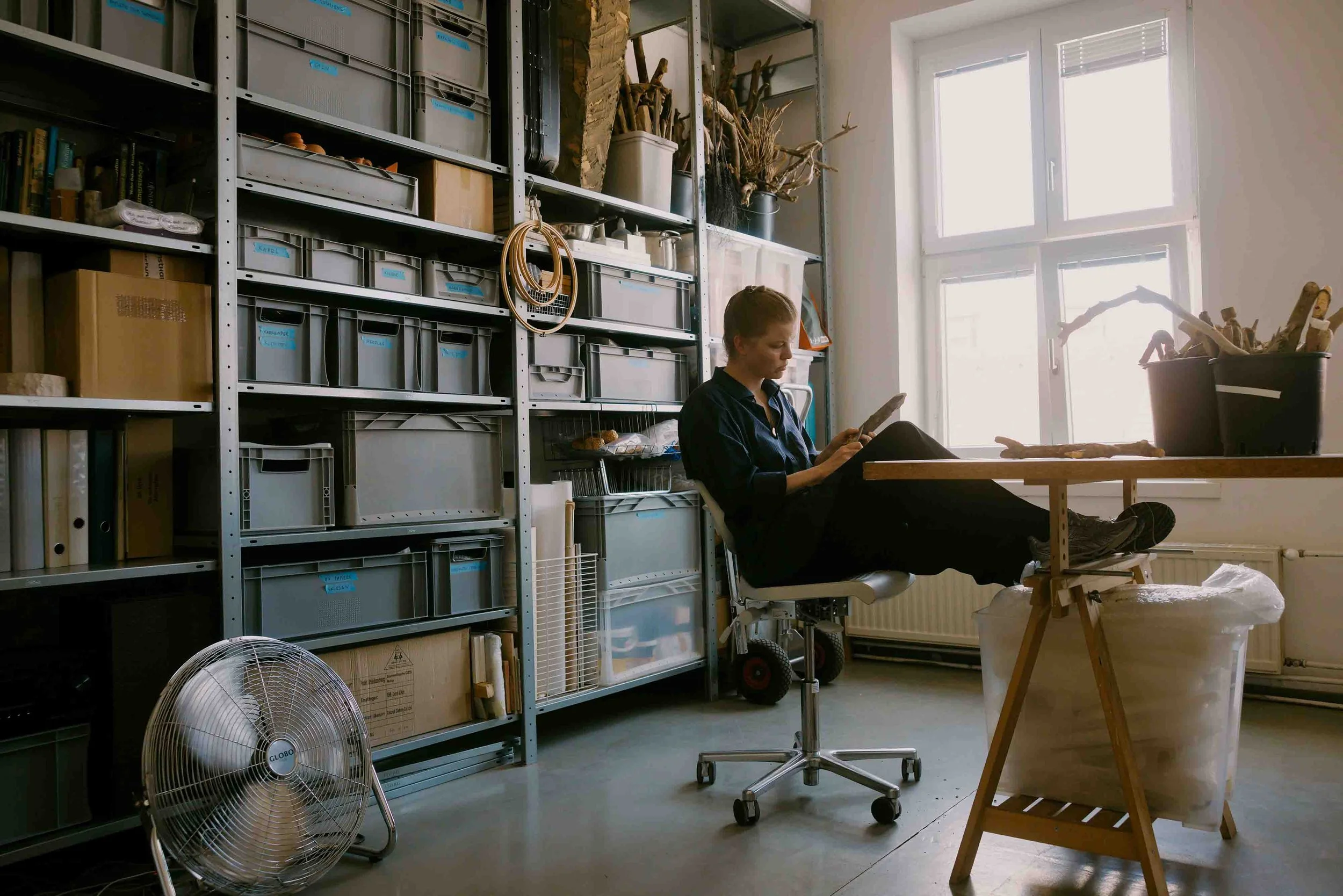
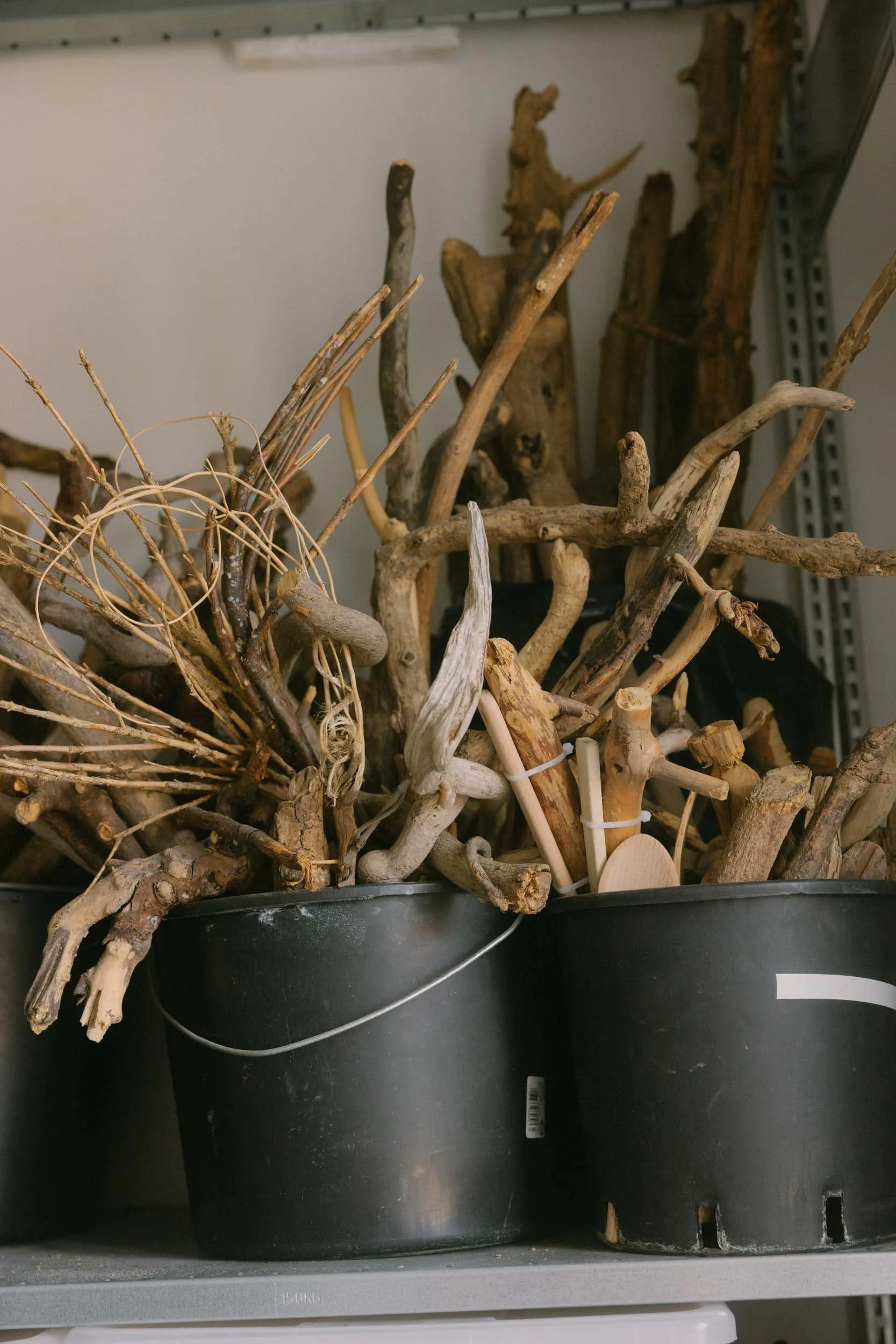
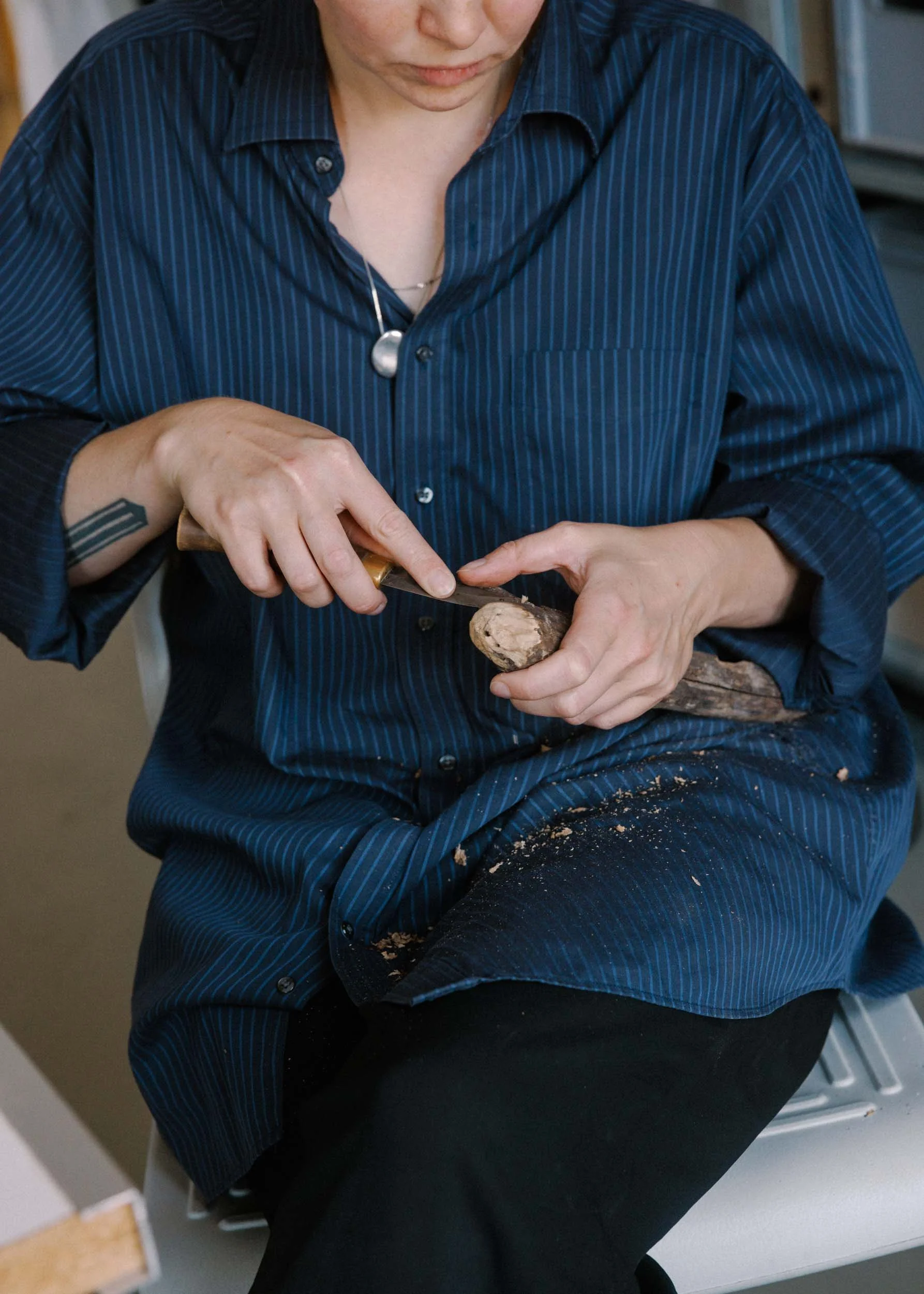
In her artistic practice, Birke Gorm investigates the life cycle of everyday objects. Through carefully collecting, reusing, and reinterpreting materials, she examines how objects carry, lose, or acquire meaning. In doing so, she interrogates the ideological frameworks that shape how history is narrated and considers how understandings of gender, society, industrialisation, and value change over time.
The attic functions as a central motif of this year's Austrian Pavilion. A tent-like structure of layered fabric creates a landscape of uneven spaces, low ceilings, and hidden corners. Made from repurposed textiles varying in weight and texture, the tent envelops visitors in an immersive environment resembling a place where old, forgotten, or hidden objects are stored, where things appear static, fixed, or asleep, yet reveal a life of their own when unobserved. Regarded as the mind of the house, the attic mirrors its residents' emotional states, symbolizing the mind's storage and rediscovery of repressed memories, unprocessed emotions, and the societal forces that linger beneath the surface and shape identity. In this realm of the hidden, the often-overlooked stories—especially those of women, who are frequently marginalized—are brought to the foreground as sources of resistance and resilience.
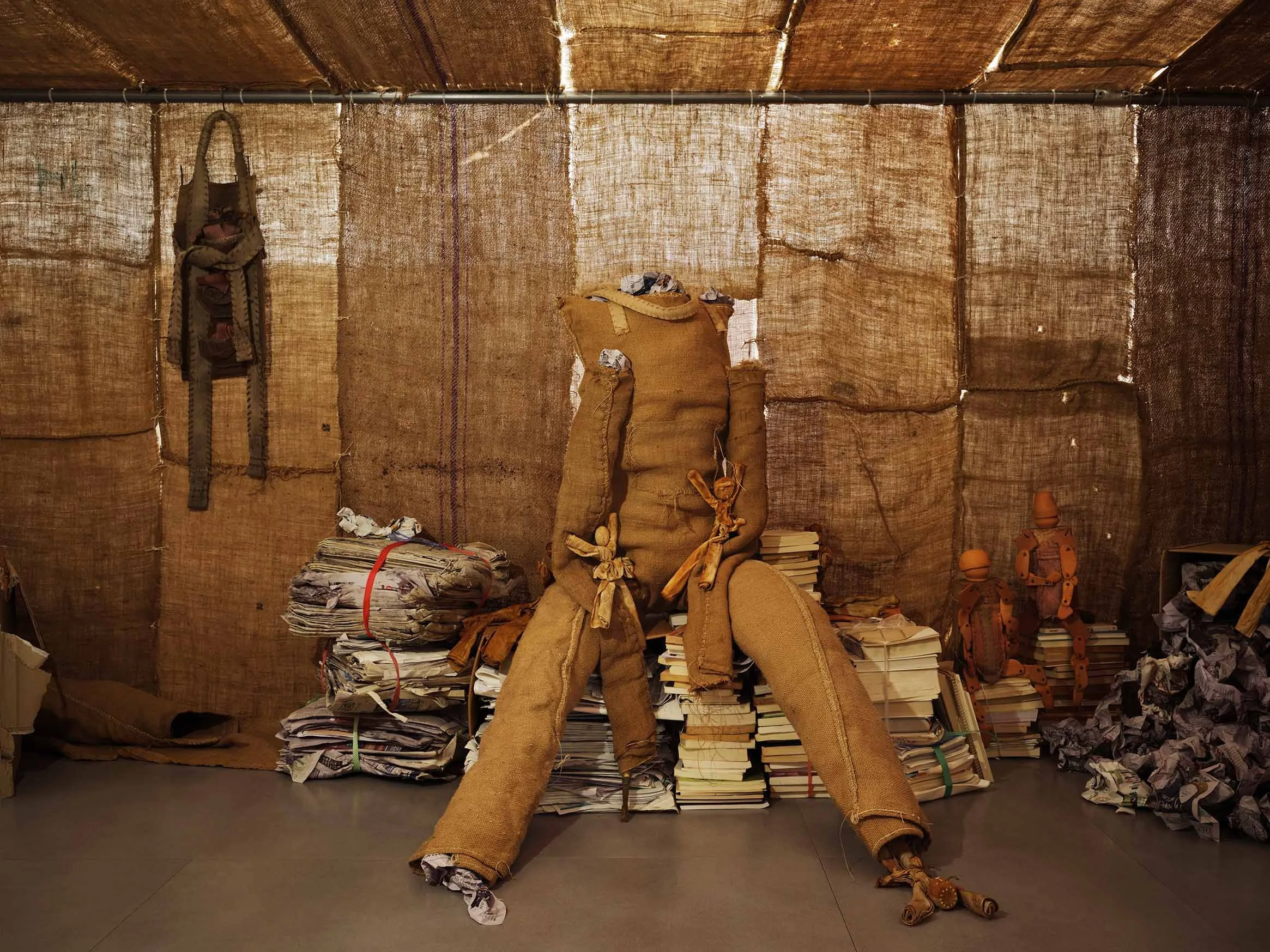
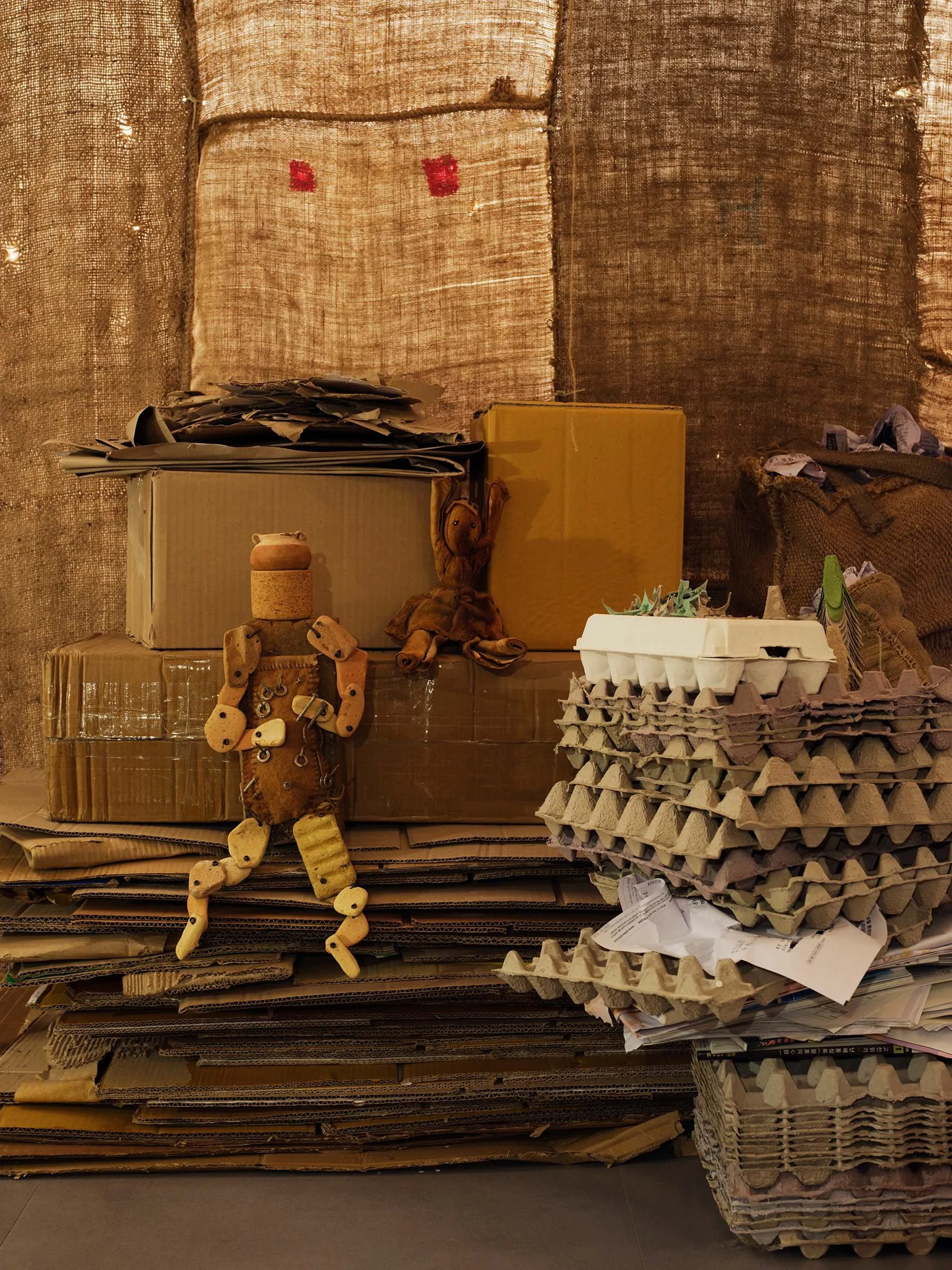
At the center of the exhibition is a selection of new and existing figurative sculptures from Birke Gorm's ongoing series loaf of meat (2020–), huswif (2021–), sit-up (2022–), and you, you, you, you, you, you, you,... (2025–), extending the artist's body of work and her investigation into industrial production and waste. These ambiguous bodies—exhausted, determined, lazy, stubborn, relaxed, protective, defensive, on a break, or on strike—are primarily composed of discarded and repurposed materials collected in Vienna and locally in Gwangju. They are placed, piled, or arranged together, coexisting by coincidence, will, or force to form a complex topography that invites viewers to observe, linger, and discover. By embedding familiar materials such as cardboard, paper, scrap metal, nails, and tools, the exhibition creates an environment where visitors might recognize objects from their own surroundings and reflect on where these objects came from, whose hands they have passed through, and how histories of care, labor, consumption, and disposal are inscribed in even the most ordinary things.
The Austrian Pavilion is commissioned by Phileas – The Austrian Office for Contemporary Art and co-financed by the Austrian Federal Ministry of Housing, Arts, Culture, Media, and Sport. Additional support is provided by the Austrian Federal Ministry for European and International Affairs.